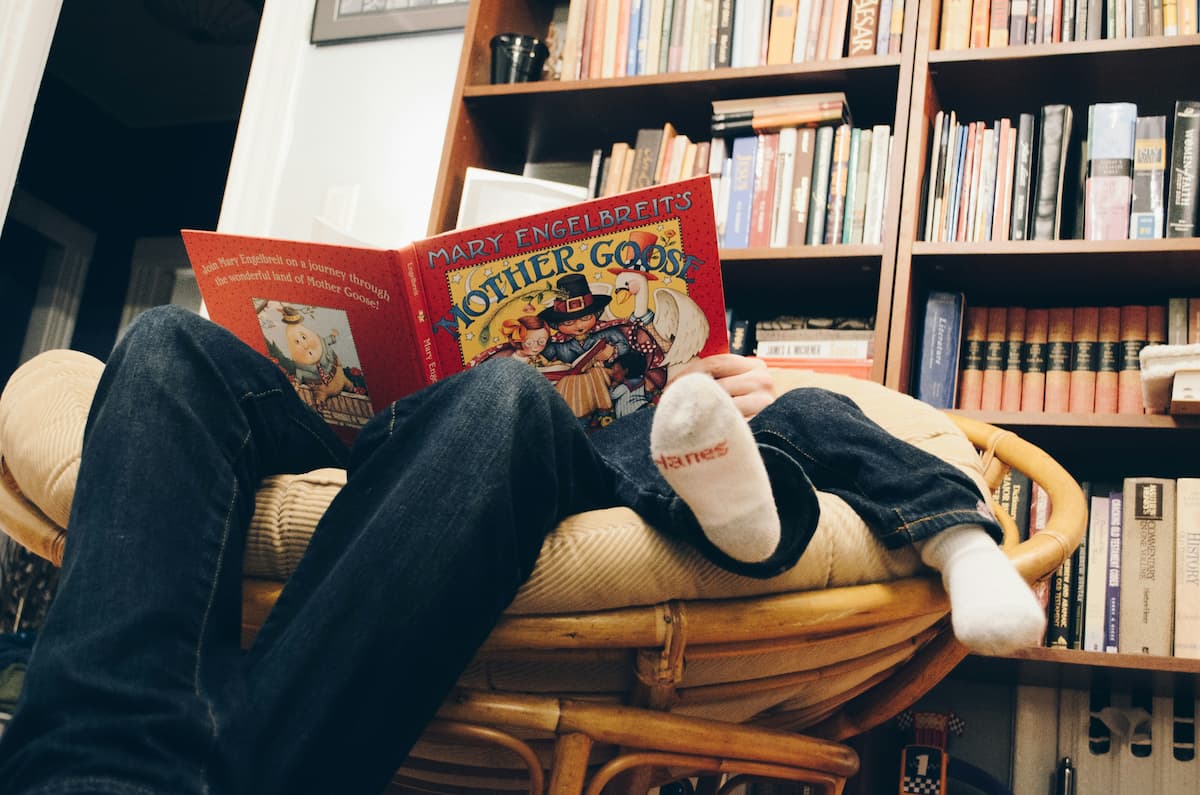
Every parent wants a child who curls up with a book and disappears into a story for hours. The reality, as most of us know, is a little more complicated than that.
My daughter Cataleya, has been a bookworm almost from the start. Give her a book and she is gone — completely absorbed, totally happy. My son Enzo, is a completely different story. He would rather count things, build things, and ask me how engines work than sit still with a picture book. Getting him to read willingly has been more of a journey.
What I have learned from raising both of them is that raising kids who love reading is not about forcing a habit. It is about creating the right conditions and then getting out of the way.
Here is what has genuinely worked in our house.
Start With Choice, Not Obligation
The fastest way to kill a child's love of reading is to make it feel like a chore. When Cataleya was allowed to pick her own books — even when her choices seemed random or repetitive — her reading took off naturally. She went through a phase of reading the same three books on rotation. I said nothing. She eventually moved on, and her confidence grew.
With Enzo, letting him choose has been even more important. He gravitates towards books about animals, space, and how things work. Non-fiction, mostly. I had to let go of the idea that "real reading" meant chapter books and stories. If he is reading, he is reading. The format does not matter as much as the habit.
Build Reading Into the Routine
Reading needs a natural home in the day — a moment that belongs to it. For us, that is bedtime. We read together every night before lights out. It is not negotiable, but it also does not feel like a rule. It just feels like what we do at the end of the day.
Enzo has started looking forward to it, not because he suddenly loves sitting still, but because it has become part of how we wind down together. We take turns choosing the book. Some nights he picks something with very few words and lots of pictures. That is fine. What matters is the consistency.
Bedtime reading also removes the performance pressure. Nobody is being tested. Nobody has to explain what they understood. We just read, together, and then go to sleep.
The Wednesday Library Swap
Cataleya and Enzo both bring a book home from their school library every Wednesday, which they swap back the following week. This one small ritual has done more for their reading habits than almost anything else.
There is something about the exchange — choosing a new book, handing the old one back, the quiet accountability of knowing you have a week with it — that makes reading feel purposeful. It is low pressure but it creates a natural rhythm.
If your child's school has a library borrowing system, lean into it. Talk about what they borrowed. Ask what they are hoping the book will be about before they start it. Make the choosing feel special.
The Sunday Library Hour
Once in a while, after church on a Sunday morning, we swing by the local library before heading home. We find a quiet corner, each pick something, and spend about an hour reading together before we leave.
It has become one of my favourite parts of the week. There is no agenda. No screens. Just the four of us in a quiet building with good books and a bit of time.
What I have noticed is that Enzo behaves differently in the library than he does at home. Something about the environment — the stillness, the shelves, the other people quietly reading — seems to settle him. He browses more carefully. He takes his time. He has asked the librarian for recommendations twice now, which I did not expect at all.
Lead By Example
This one is uncomfortable to admit, because it requires something of us as parents. Children notice what we do far more than what we tell them to do. If they never see you reading, why would they believe it is worth doing?
I made a deliberate effort to read in front of my kids — not just after they go to bed, but in the living room, on the sofa, where they can see me. I do not make a production of it. I just read. And I talk about what I am reading in a casual way. Not lecturing, just mentioning it the way you would mention anything you enjoyed.
Cataleya has started asking what my book is about. Enzo has started picking up my books and looking at the covers. Neither of them has read one yet, but the curiosity is there.
Manage Screens Without Making It a Battle
Screen time and reading are in direct competition for the same hours in the day. I am not going to pretend otherwise. We have limits on screens in our house, but I try not to frame it as "no screens so you have to read." That kind of transactional framing breeds resentment.
Instead, screens have their time and books have their time. The bedtime reading routine exists in a screen-free window by default, which removes the negotiation entirely. When screens are off and it is quiet, books become the natural thing to reach for.
Meet Each Child Where They Are
If there is one thing raising Cataleya and Enzo side by side has taught me, it is that there is no single approach to raising a reader. What works for one will not work for the other, and that is not a failure. It is just parenting.
Cataleya needed freedom and access to lots of books. Enzo needed consistency, the right genres, and a bit of atmosphere — the school library swap, the Sunday morning hour, a good non-fiction book about dinosaurs.
The goal is not to raise a child who reads in the way you imagined. The goal is to raise a child who finds something in reading that feels worth coming back to. That looks different for every child, and it takes time.
Keep showing up. Keep making space for it. It grows.
FREQUENTLY ASKED QUESTIONS
At what age should I start reading with my child?
From birth, if you can. Even babies benefit from hearing your voice and being exposed to language through books. Board books and picture books from the earliest months build familiarity with reading long before children can understand the words.
What if my child refuses to read altogether?
Start with audiobooks or reading aloud to them rather than asking them to read independently. The goal at first is simply to build a positive association with stories and books. Choice matters enormously — let them pick the topic, even if it is something you find dull.
How long should reading time be for young children?
Ten to fifteen minutes of shared reading at bedtime is enough for young children and adds up significantly over time. Quality and consistency matter more than duration.
My child only wants to read the same book over and over — is that okay?
Completely normal and actually beneficial. Repetition builds vocabulary, comprehension, and confidence. Resist the urge to push them on to something new before they are ready.
Comments (0)
No comments yet. Be the first to share your thoughts!
Leave a comment